SMILE recovery timeline
Plan for driving, work, screens, exercise, dryness, glare, follow-up visits, and the signs that should prompt a call during recovery.
Small Incision Lenticule Extraction (SMILE) corrects qualifying nearsightedness and astigmatism through a small corneal incision without creating a LASIK flap. Recovery, dryness, glare, and visual sharpness vary, so candidacy and follow-up matter as much as procedure choice.
Not sure which visit type to choose for SMILE? Call 214-972-2020.

Medically reviewed by Dr. Shehzad Batliwala, DO, MGM · Board-Certified Ophthalmologist
SMILE LASIK in Plano, TX · Serving Plano, Allen, Frisco, McKinney, Dallas & the North Dallas area
None of these are deal-breakers, they're reasons to look at the alternatives. We'll tell you straight at consultation.
Free 60-minute consult · If you're not a fit, we'll tell you.
SMILE uses a single femtosecond laser to create a small lens-shaped piece of tissue (a lenticule) inside your cornea, then removes it through a tiny incision. The cornea's outer layers stay structurally intact, no flap, no separate excimer step.
For the right candidate, SMILE corrects vision through a small incision without creating a corneal flap. Whether that approach is preferable depends on prescription, corneal measurements, dry-eye findings, recovery needs, and daily activities.

Your SMILE procedure begins with high-resolution corneal mapping. We measure the exact shape, thickness, and optics of each eye so the lenticule - the tissue the laser will shape inside your cornea - is planned precisely for your prescription.
A single femtosecond laser forms a thin, lens-shaped piece of tissue called a lenticule inside the cornea. The surgeon accesses it through a small incision rather than creating a LASIK flap.
Your surgeon gently removes the lenticule through a small incision just a few millimeters wide. Taking that tissue out changes the cornea's shape and corrects your nearsightedness and astigmatism - all in one continuous step, with no separate excimer laser.
The incision typically seals without stitches. Usable vision may return early, while sharpness, dryness, glare, halos, and light sensitivity can continue to change over the following days or weeks. Driving, work, exercise, swimming, and contact sports resume only after appropriate clearance.
Questions about the procedure? We'll walk you through all of it.

Comprehensive eye exam, corneal mapping, and a frank conversation about whether SMILE or LASIK is the right fit for your eyes.

Detailed scans drive your treatment plan. Follow the office's contact-lens pause instructions because timing depends on the lens type and whether the cornea has stabilized.

About 10 minutes per eye. The femtosecond laser does all the work in one continuous step.

Vision often improves early and continues to settle. Follow-up exams assess healing, visual acuity, dryness, and when it is appropriate to resume driving, work, swimming, and sports.
Your map, your candidacy, your plan — in one visit.
SMILE avoids flap-related considerations by accessing the lenticule through a small incision, while retaining its own risks and recovery requirements.
Treatment plan is built on a high-resolution map of your specific eye, not a generic protocol.
Work and exercise timing depend on visual function, healing, and the demands of the activity; contact sports require specific clearance.
SMILE may disrupt fewer corneal nerves early than LASIK, but dry-eye symptoms can still occur and should be treated before measurements are finalized.
Plan for driving, work, screens, exercise, dryness, glare, follow-up visits, and the signs that should prompt a call during recovery.
Understand expected early symptoms, less-common complications, warning signs, and the measurements used to reduce avoidable risk.
Review age, prescription, astigmatism, corneal measurements, dry-eye findings, and when LASIK, PRK, or EVO ICL may fit better.
Compare flap versus small-incision treatment, prescription range, recovery, dry-eye considerations, and activity planning.
SMILE eye surgery was genuinely a life changing experience, and I knew right away from my consultation with Dr Shehz that I was in good hands. I had been wanting SMILE surgery for a few years, but other consultations left me unsure that I wanted to have the procedure done. (read more)
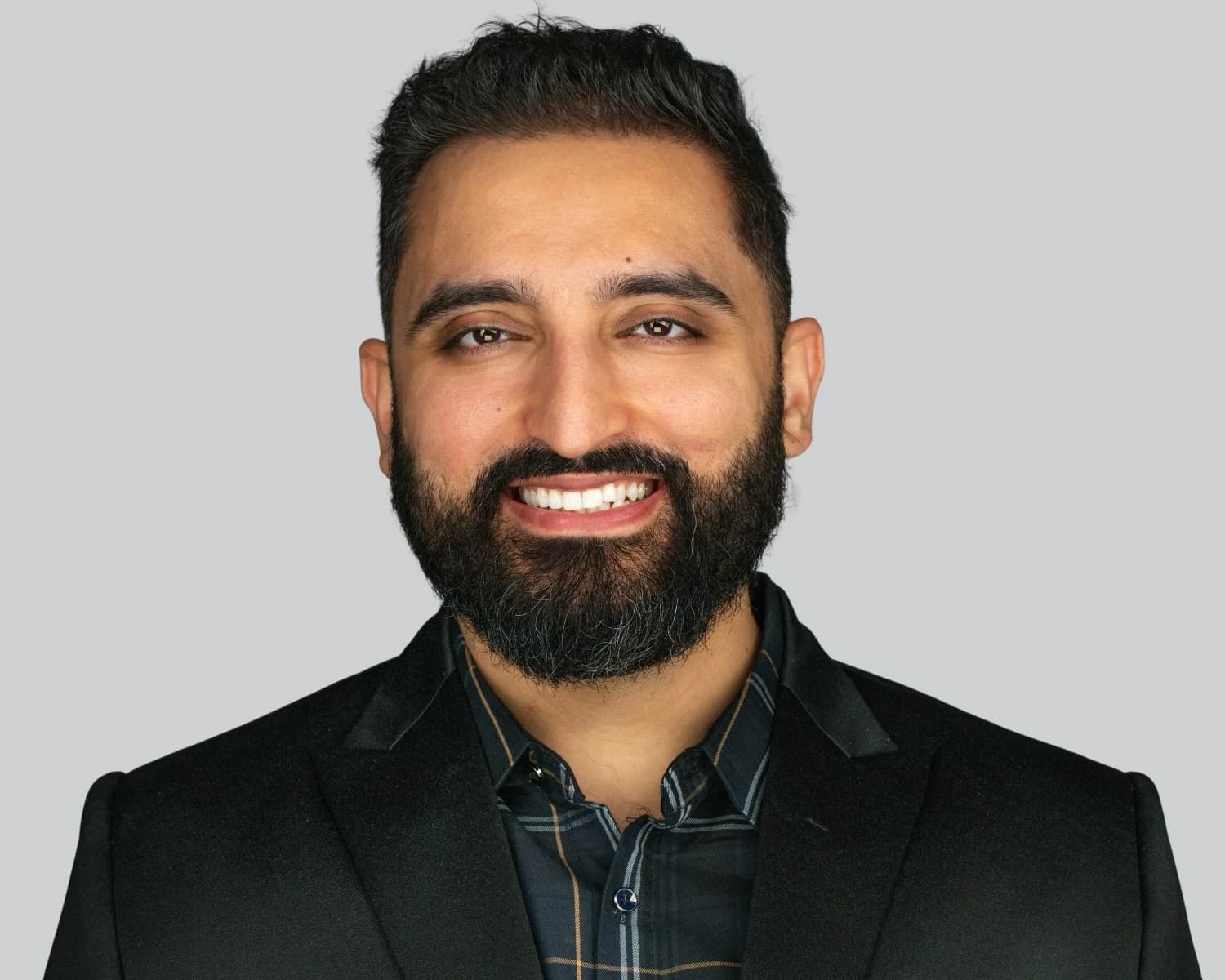
Dr. Shehz is a double board-certified vision correction surgeon who completed ophthalmology residency at Dean McGee Eye Institute and pursued advanced refractive training. He performs every surgery at Visionary Eye personally and leads the diagnostic plan used to decide whether a procedure is appropriate.
5.0 Google rating from 92 reviewsOne honest, all-in number — no surprises. Most patients use FSA / HSA, insurance, or 0% APR financing. Our Affordability page walks through every option in plain English.
SMILE doesn't show up in $250-an-eye ads - but the same upsell ladder waits for you at discount centers. We quote one honest, all-in number for your SMILE procedure - with 0% APR financing if you'd rather spread it out.
What patients say
Talk to our team, no pressure, no sales pitch. We answer the question, not the upsell.
Picking the right procedure is a diagnosis question, not a marketing one. If your eyes are better served by a different path, we'll tell you.
Cost, safety, candidacy — the questions patients actually ask, answered in plain English in our patient education library.
Learn how prescription stability, corneal measurements, dry eye, and visual goals affect SMILE candidacy for patients across Dallas-Fort Worth.
Read articlePlan for SMILE recovery from surgery day through three months, including vision changes, dryness, work, driving, exercise, follow-up, and warning signs.
Read articleLearn how surgeons assess a remaining prescription after SMILE, when enhancement may be considered, and what DFW patients should ask before more surgery.
Read articleAn honest guide to SMILE side effects, including dryness, glare, halos, fluctuating vision, undercorrection, rare complications, and who should avoid treatment.
Read articleLearn why contact lenses must come out before LASIK, SMILE, PRK, or EVO ICL testing and how lens type changes the measurement schedule.
Read articleA surgeon-led guide to choosing LASIK, PRK, SMILE, EVO ICL, or lens replacement based on age, prescription, corneas, dry eye, and visual goals.
Read articleCompare LASIK and SMILE by candidacy, corneal measurements, dry-eye considerations, recovery, activity needs, and when PRK or EVO ICL may fit better.
Read articleLASIK, SMILE, and PRK can be useful vision correction options for first responders, military, and law enforcement in Dallas-Fort Worth when the eye and career fit the procedure.
Read articleGlasses on the nightstand. Contacts fighting you at the gym. The menu blurring at dinner. You don't have to live with it. Come find out what's possible for your eyes.