How to choose an EVO ICL surgeon in Plano
Use a practical checklist for comparing diagnostic testing, procedure options, risk counseling, follow-up care, and surgeon-specific experience.
EVO ICL, also called an implantable Collamer Lens, is placed behind the iris to correct myopia and, with a toric lens, astigmatism without laser reshaping of the cornea. A Plano EVO ICL consultation compares your prescription, corneal measurements, anterior chamber depth, tear film, and age before recommending a procedure.
Medically reviewed by Dr. Shehzad Batliwala, DO, MGM · Board-Certified Ophthalmologist
EVO ICL in Plano, TX · Serving Plano, Allen, Frisco, McKinney, Dallas & the North Dallas area
None of these are deal-breakers, they're reasons to look at the alternatives. We'll tell you straight at consultation.
Free 60-minute consult · If you're not a fit, we'll tell you.
Unlike LASIK or PRK, EVO ICL doesn't remove corneal tissue. Instead, we place a soft, biocompatible Collamer lens behind your iris and in front of your natural lens, adding refractive correction without changing the eye's surface.
The lens is inserted through a small corneal incision that typically self-seals. EVO ICL may fit high prescriptions, thin corneas, dry-eye sensitivity, and patients ruled out for laser correction. Toric EVO ICL can also address qualifying astigmatism. The lens is designed for long-term use and can be removed or exchanged through another operation if medically necessary.

EVO ICL planning begins with precise measurements, including corneal mapping, anterior chamber depth, and the internal dimensions where the lens will sit. Your surgeon uses those findings, your prescription, and the manufacturer's sizing calculations to select the lens for each eye.
On surgery day, numbing drops are used to reduce discomfort. Your surgeon makes a small incision at the edge of the cornea. No LASIK flap is created, and an excimer laser is not used to reshape the cornea.
The soft Collamer lens is folded and inserted through the incision, then positioned behind the iris and in front of your natural lens. It unfolds into place and adds refractive correction without ablating corneal tissue.
The incision typically self-seals without stitches. Vision may improve quickly, but blur, glare, halos, light sensitivity, and pressure changes can occur during recovery. Follow-up exams confirm lens position, eye pressure, and healing. The lens can be surgically removed or exchanged if needed.
Questions about the procedure? We'll walk you through all of it.

Comprehensive eye exam, anterior chamber depth measurement, and detailed conversation about whether ICL or LASIK better fits your eyes.

Your ICL is custom-sized to your eye's anatomy. We order the specific lens designed for your prescription and dimensions.

The Collamer lens is inserted through a small incision while you are awake and the eye is numbed. Whether one or both eyes are treated is determined by your surgical plan.

Vision can improve early, then continue to settle. Follow-up exams check eye pressure, lens position, and healing before activity restrictions are lifted.
Your map, your candidacy, your plan — in one visit.
EVO ICL adds correction inside the eye without removing corneal tissue, which can make it worth evaluating for thin corneas or dry-eye sensitivity.
The lens is designed for long-term correction but can be removed or exchanged by an eye surgeon if clinically necessary.
Early visits check vision, lens position, eye pressure, and healing before you resume driving, work, or strenuous activity.
FDA labeling covers myopia from -3D to -20D, with a toric model for qualifying myopic astigmatism.
The best procedure is not the famous one. It is the one your cornea, prescription, tear film, and long-term goals can safely support.



Use a practical checklist for comparing diagnostic testing, procedure options, risk counseling, follow-up care, and surgeon-specific experience.
Compare all three procedures by prescription range, corneal thickness, dry-eye risk, reversibility, and recovery.
A deeper guide for thin corneas, high prescriptions, and patients deciding between surface laser correction and an implantable lens.
Great results, great doctor!!
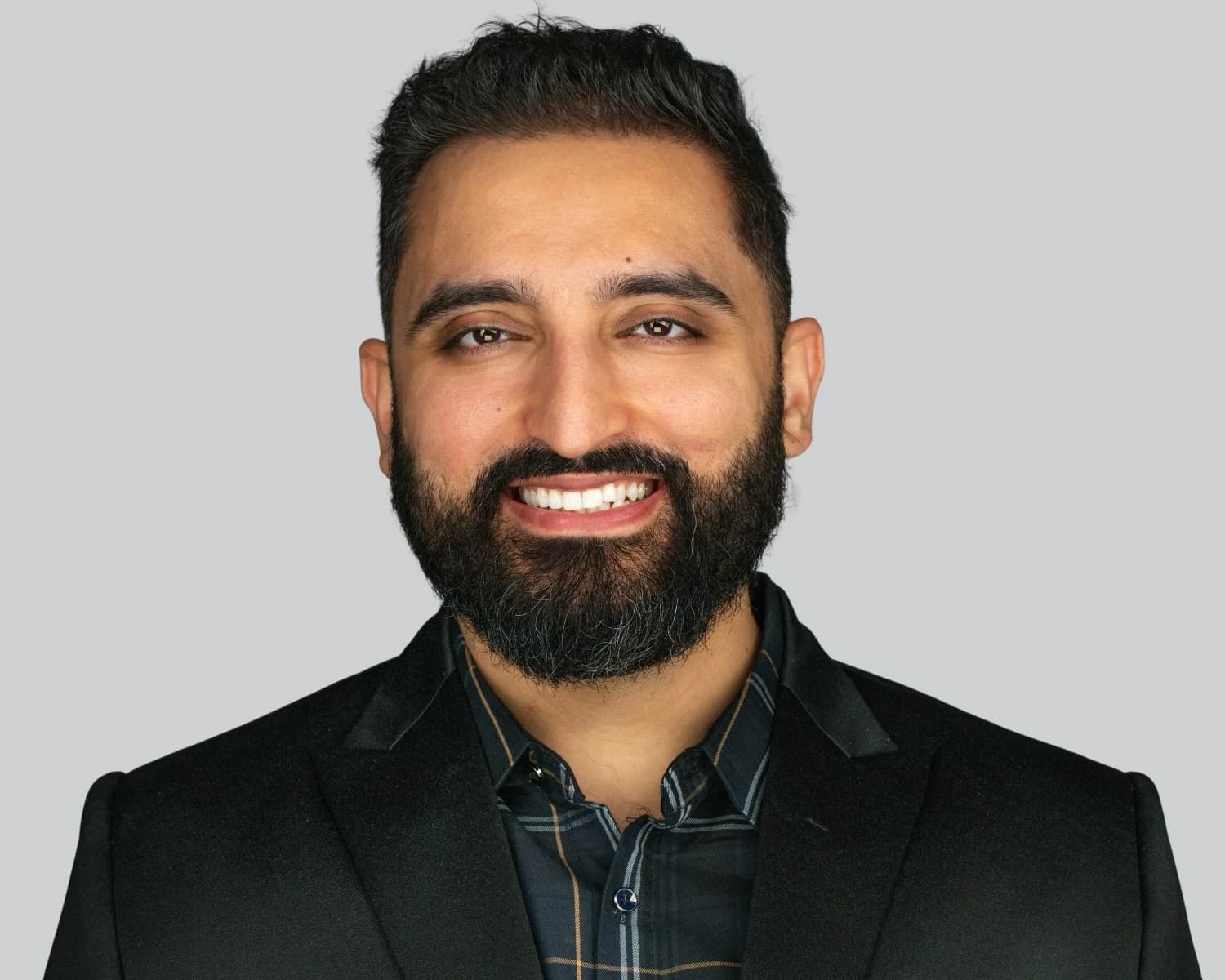
Dr. Shehz is a double board-certified vision correction surgeon who completed ophthalmology residency at Dean McGee Eye Institute and pursued advanced refractive training. He performs every surgery at Visionary Eye personally and leads the diagnostic plan used to decide whether a procedure is appropriate.
5.0 Google rating from 92 reviewsOne honest, all-in number — no surprises. Most patients use FSA / HSA, insurance, or 0% APR financing. Our Affordability page walks through every option in plain English.
There's no 'discount ICL.' The lens, the surgery, and your year of follow-ups are one number - quoted up front, no surgery-day add-ons. 0% APR financing covers it if you'd rather spread it out.
What patients say
Talk to our team, no pressure, no sales pitch. We answer the question, not the upsell.
Picking the right procedure is a diagnosis question, not a marketing one. If your eyes are better served by a different path, we'll tell you.
Patients from across the Dallas–Fort Worth metro choose Visionary Eye Surgery. Learn what the drive looks like from your city.
Cost, safety, candidacy — the questions patients actually ask, answered in plain English in our patient education library.
Learn about EVO ICL's updated US age range, reading-glasses expectations, and how Dallas-Fort Worth patients over 45 can compare lens-based options.
Read articleUnderstand the EVO ICL consultation, sizing, surgery-day pressure check, early follow-ups, and travel planning for patients coming to Plano from across DFW.
Read articleLearn how long EVO ICL is designed to remain in the eye, why the eye still changes, when removal may be needed, and what long-term follow-up checks.
Read articleLearn why contact lenses must come out before LASIK, SMILE, PRK, or EVO ICL testing and how lens type changes the measurement schedule.
Read articleLearn how to compare EVO ICL surgeons by credentials, diagnostic measurements, lens sizing, alternatives, surgical planning, and follow-up care.
Read articleEVO ICL in Plano is listed at $4,500-$5,500 per eye. Learn how prescription, thin corneas, astigmatism, lens sizing, and financing shape candidacy.
Read articleA practical EVO ICL recovery timeline for Plano patients, including the first 24 hours, follow-up checks, activity guidance, and symptoms that need an urgent call.
Read articleAn evidence-based explanation of halos, glare, night vision, and other EVO ICL risks, plus the measurements Plano patients should expect before surgery.
Read articleLearn how prescription strength, corneal thickness, dry-eye findings, anterior chamber measurements, and retinal health determine whether LASIK or EVO ICL fits.
Read articleEVO ICL may be more appropriate for high prescriptions, thin corneas, dry-eye sensitivity, or patients outside the LASIK candidacy window in Dallas-Fort Worth.
Read articleGlasses on the nightstand. Contacts fighting you at the gym. The menu blurring at dinner. You don't have to live with it. Come find out what's possible for your eyes.