PRK vs LASIK: recovery and candidacy
Compare the flap, surface healing, work timing, corneal measurements, dry-eye findings, and the reasons a surgeon may recommend one procedure over the other.
Advanced Surface Ablation, also called PRK eye surgery, reshapes the cornea's surface without creating a flap. It may fit selected corneal measurements, active careers, and patients comparing PRK with LASIK.
Not sure which visit type to choose for PRK? Call 214-972-2020.

Medically reviewed by Dr. Shehzad Batliwala, DO, MGM · Board-Certified Ophthalmologist
PRK / Advanced Surface Ablation (ASA) in Plano, TX · Serving Plano, Allen, Frisco, McKinney, Dallas & the North Dallas area
None of these are deal-breakers, they're reasons to look at the alternatives. We'll tell you straight at consultation.
Free 60-minute consult · If you're not a fit, we'll tell you.
ASA, also known as PRK or Advanced Surface Ablation, uses the same excimer laser as LASIK, but skips the flap. We gently remove the cornea's outermost epithelial layer, reshape the cornea with the laser, and let the surface naturally regenerate over the next several days.
PRK recovery is slower than LASIK recovery, while final visual results can be comparable in appropriately selected eyes. For some patients whose corneal measurements, work, or contact-sport exposure do not favor a LASIK flap, a surface procedure may be the more appropriate tradeoff after a complete exam.

Your PRK evaluation begins with comprehensive corneal mapping and wavefront analysis. Because surface treatment is often considered when LASIK is less suitable, these measurements help determine whether PRK is appropriate and shape a treatment plan for your eye.
Unlike LASIK, PRK does not involve creating a flap. Instead, the cornea's outermost layer - the epithelium - is gently removed to expose the surface for treatment. Avoiding a flap is one reason PRK may be considered for selected corneas and high-impact occupations or activities.
Using excimer-laser technology, your surgeon performs a treatment based on your measured prescription and corneal data. The laser reshapes the surface to address nearsightedness, farsightedness, or astigmatism within the safe treatment range.
A soft bandage contact lens is placed while the epithelium regenerates over the next several days. Visual recovery is more gradual than LASIK, and clarity can continue changing over the following weeks or months.
Questions about the procedure? We'll walk you through all of it.

Complete eye exam, corneal thickness measurement, and discussion of why ASA may fit your eyes better than LASIK.

Detailed scans drive your custom treatment plan. No contact lenses for two weeks beforehand.

About 10 minutes per eye. Awake but comfortable. You go home with a bandage contact lens that protects the cornea while it heals.

The first days focus on surface healing and the bandage lens. Work, driving, exercise, and visual recovery vary, with clarity continuing to stabilize over the following weeks and months.
Your map, your candidacy, your plan — in one visit.
Avoids flap-related considerations and treats the corneal surface after a complete candidacy evaluation.

PRK may fit military, law-enforcement, first-responder, and contact-sport requirements when the cornea and prescription are appropriate.
Corneal shape, thickness, prescription, pupil data, and ocular-surface health guide the laser plan.
PRK can provide durable refractive correction after healing, while normal aging and future eye conditions can still change vision.
Compare the flap, surface healing, work timing, corneal measurements, dry-eye findings, and the reasons a surgeon may recommend one procedure over the other.
Plan for the bandage contact lens, early discomfort, fluctuating vision, work, driving, exercise, and healing from the first week through three months.
See when flapless PRK/ASA is a better fit than LASIK, and when high prescriptions or thin corneas point toward EVO ICL instead.
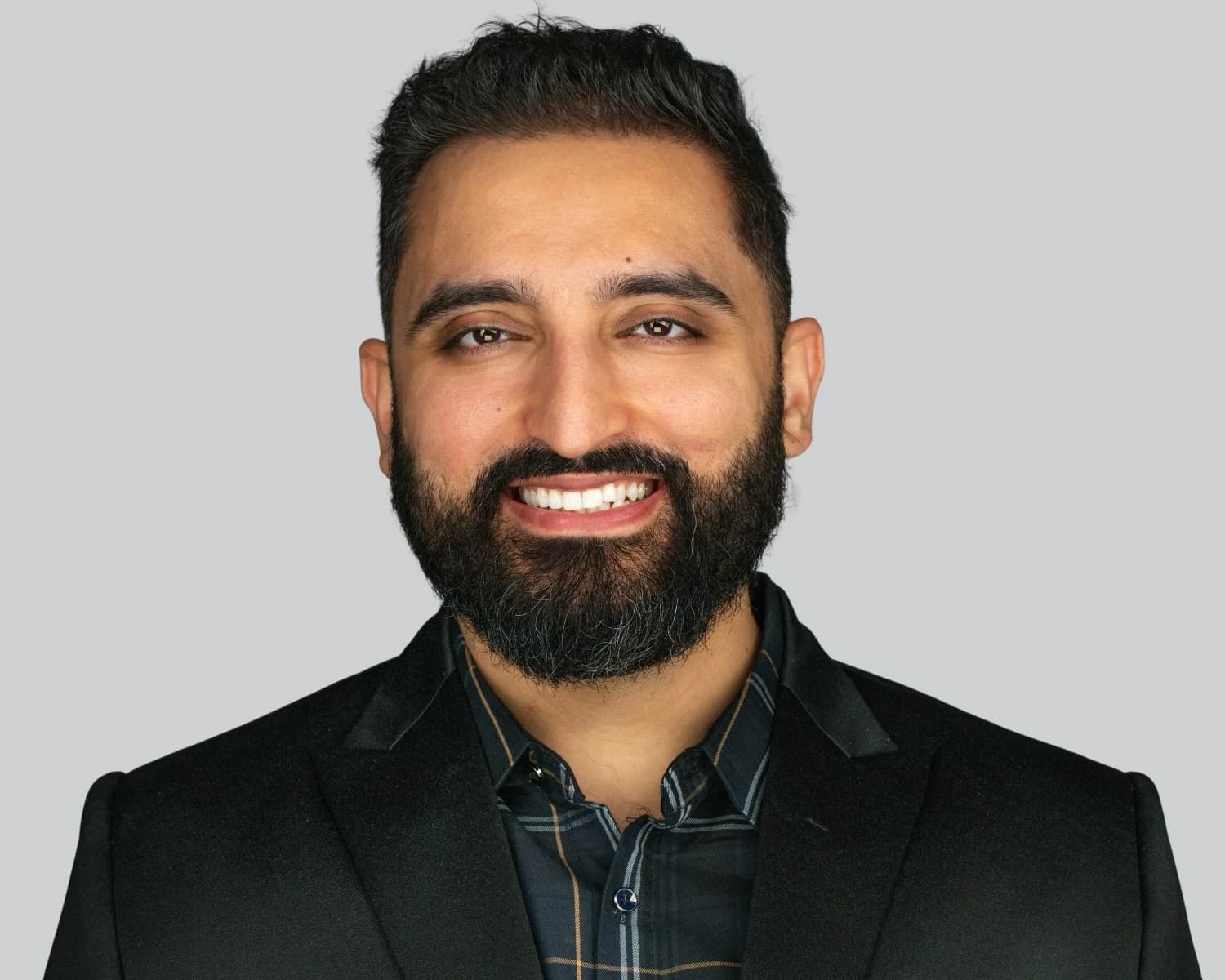
Dr. Shehz is a double board-certified vision correction surgeon who completed ophthalmology residency at Dean McGee Eye Institute and pursued advanced refractive training. He performs every surgery at Visionary Eye personally and leads the diagnostic plan used to decide whether a procedure is appropriate.
5.0 Google rating from 92 reviewsOne honest, all-in number — no surprises. Most patients use FSA / HSA, insurance, or 0% APR financing. Our Affordability page walks through every option in plain English.
ASA carries the same upsell-ladder risk as LASIK at discount centers - 'premium' lasers, aftercare add-ons, enhancement guarantees. We quote one honest, all-in number - surface laser, drops, and follow-ups included - with 0% APR financing if you'd rather spread it out.
What patients say
Talk to our team, no pressure, no sales pitch. We answer the question, not the upsell.
Picking the right procedure is a diagnosis question, not a marketing one. If your eyes are better served by a different path, we'll tell you.
Cost, safety, candidacy — the questions patients actually ask, answered in plain English in our patient education library.
Understand why a bandage contact lens is used after PRK, who removes it, and when DFW patients should call their surgeon about discomfort or lens movement.
Read articleLearn why contact lenses must come out before LASIK, SMILE, PRK, or EVO ICL testing and how lens type changes the measurement schedule.
Read articleCompare PRK and LASIK by flap design, corneal measurements, dry-eye findings, recovery, work, sports, and the reasons one option may fit better.
Read articleA realistic PRK recovery timeline for Plano patients, including bandage contact lenses, early discomfort, vision fluctuation, work, driving, exercise, and follow-up.
Read articlePRK with dry eyes in Plano: how tear-film stability, MGD, thin corneas, and EVO ICL alternatives affect laser vision correction candidacy.
Read articleCompare PRK and EVO ICL when corneal thickness, prescription strength, dry-eye findings, recovery, and long-term tissue preservation affect the decision.
Read articleGlasses on the nightstand. Contacts fighting you at the gym. The menu blurring at dinner. You don't have to live with it. Come find out what's possible for your eyes.