LASIK eye surgery options in Plano
Start with the LASIK overview to compare All-Laser LASIK, SMILE, and PRK by corneal measurements, recovery, and visual goals.
A femtosecond laser creates the flap and an excimer laser reshapes the cornea. The consultation determines whether your prescription, corneal thickness and shape, tear film, and eye health support LASIK.
Medically reviewed by Dr. Shehzad Batliwala, DO, MGM · Board-Certified Ophthalmologist
All-Laser LASIK in Plano, TX · Serving Plano, Allen, Frisco, McKinney, Dallas & the North Dallas area
None of these are deal-breakers, they're reasons to look at the alternatives. We'll tell you straight at consultation.
Free 60-minute consult · If you're not a fit, we'll tell you.
All-Laser LASIK uses a femtosecond laser to create a corneal flap and an excimer laser to reshape the underlying cornea. Detailed mapping and refraction guide the treatment plan for each eye.
Your prescription, corneal curvature and thickness, pupil behavior, tear film, age, and overall eye health all affect candidacy and expectations. LASIK is intended to reduce dependence on glasses or contacts; no consultation should promise a specific line on the eye chart.
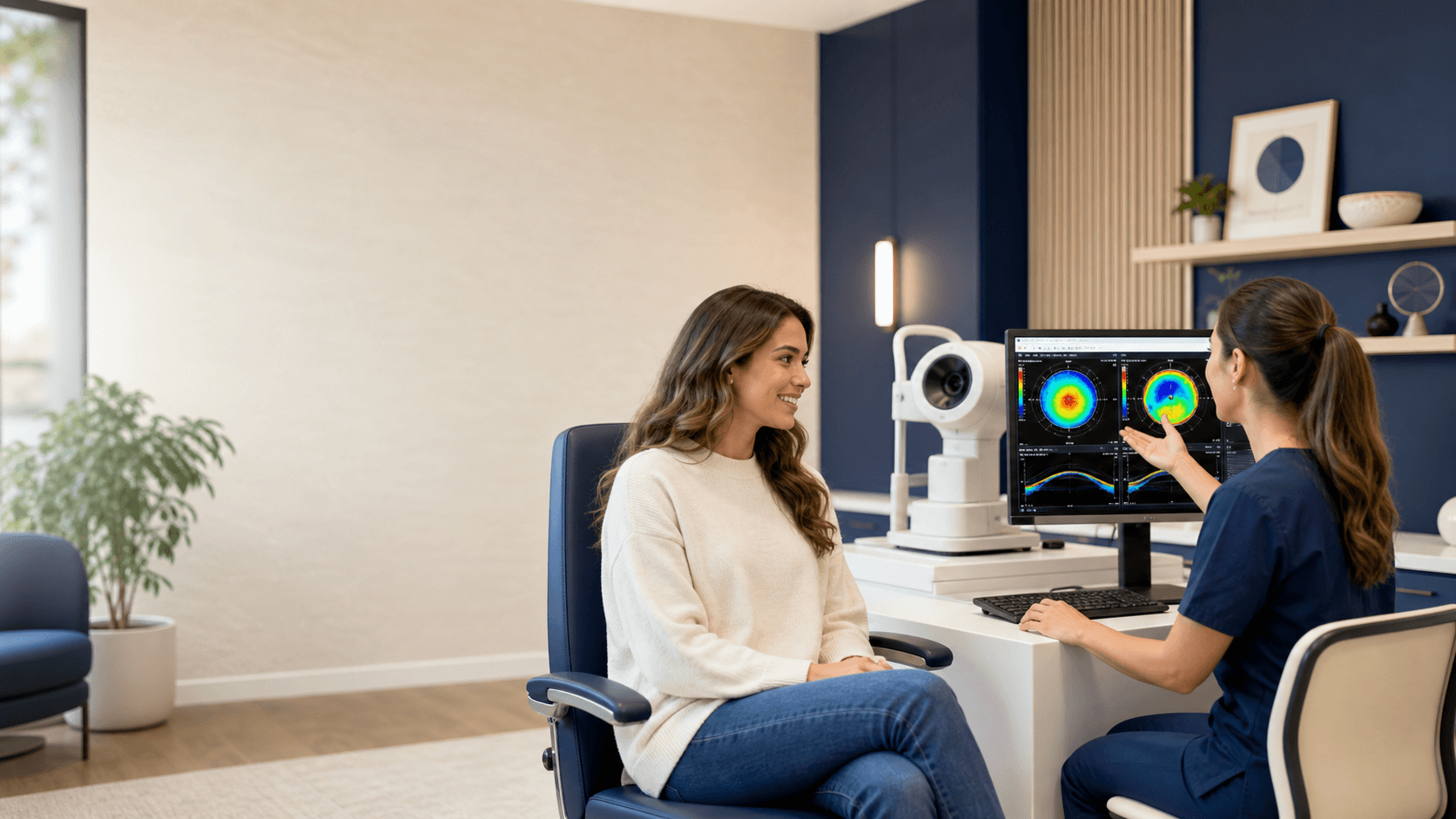
Every All-Laser LASIK procedure begins with detailed corneal mapping and wavefront analysis. We measure the curvature, thickness, and unique optical fingerprint of each eye - including how light travels through your entire visual system - so the treatment plan is built from your diagnostics, not a generic protocol.
Instead of a microkeratome blade, a femtosecond laser creates a corneal flap using rapid pulses of light. The flap is lifted to expose the tissue underneath. This changes how the flap is created but does not remove the need for careful screening and informed consent.
The excimer laser then reshapes the underlying cornea according to your custom wavefront- and topography-guided map - correcting nearsightedness, farsightedness, and astigmatism. The laser tracks your eye in real time and the reshaping itself takes only seconds per eye.
The flap is returned to position, where it adheres without stitches. Vision often improves early, while dryness, glare, halos, light sensitivity, and fluctuating sharpness can continue during healing. Driving and activity resume after appropriate clearance.
Questions about the procedure? We'll walk you through all of it.

Comprehensive eye exam, corneal mapping, and a frank conversation about whether LASIK is the right answer for your eyes.

On a separate day, we capture detailed scans that drive your custom treatment plan. No contacts for two weeks before.

The procedure itself takes about 15 minutes per eye. Numbing drops are used, but pressure and temporary discomfort can occur. Bring a driver because you cannot drive home that day.

First post-op exam is the next morning. Then 1 week, 1 month, 3 months - and we'll see you any time you need us.
Your map, your candidacy, your plan — in one visit.
Two lasers, femtosecond + excimer, replace the older microkeratome blade entirely.
Wavefront + topography mapping means your treatment is built from your diagnostics, not a generic protocol.
Early vision may improve quickly, but work, driving, exercise, swimming, and contact sports follow different clearance timelines.
The reshaping is permanent, while the eye can still change with age, presbyopia, cataracts, or later prescription shifts.
Start with the LASIK overview to compare All-Laser LASIK, SMILE, and PRK by corneal measurements, recovery, and visual goals.
Compare diagnostic testing, surgeon experience, procedure choice, risk counseling, enhancement policies, and follow-up care.
Understand how farsightedness differs from presbyopia and when LASIK, PRK, monovision, or lens replacement may be considered.
Compare laser correction, implantable lenses, and flapless PRK by corneal thickness, prescription strength, dry-eye risk, and recovery time.
As someone who was honestly nervous about eye surgery, choosing Dr. Shez at Visionary Eye Clinic for my EVO ICL procedure turned out to be one of the best decisions I’ve ever made. From the very first consultation, Dr. Shez made me feel completely comfortable and informed. (read more)
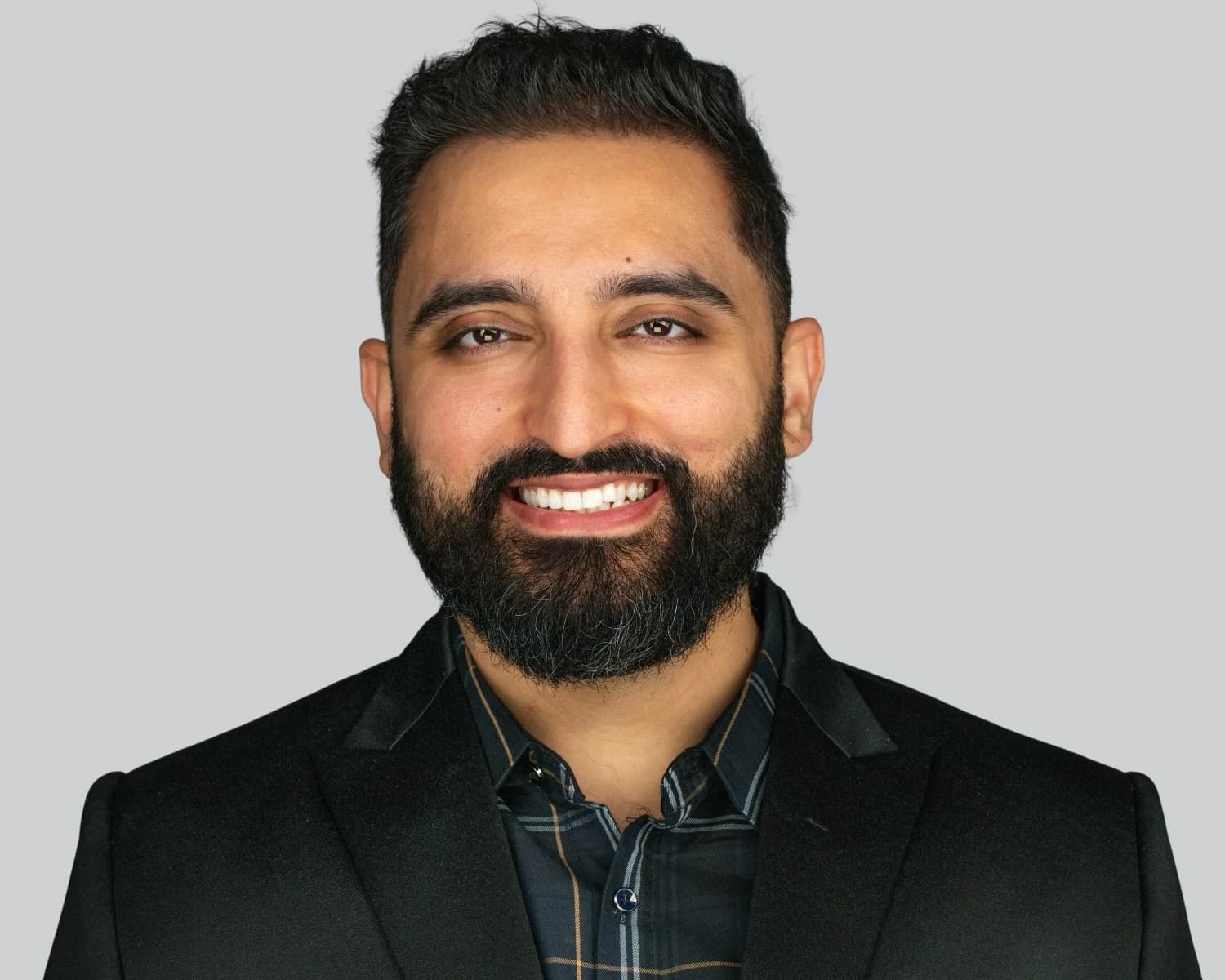
Dr. Shehz is a double board-certified vision correction surgeon who completed ophthalmology residency at Dean McGee Eye Institute and pursued advanced refractive training. He performs every surgery at Visionary Eye personally and leads the diagnostic plan used to decide whether a procedure is appropriate.
5.0 Google rating from 92 reviewsOne honest, all-in number — no surprises. Most patients use FSA / HSA, insurance, or 0% APR financing. Our Affordability page walks through every option in plain English.
$250-an-eye LASIK ads aren't real - they're bait that turns into a much longer bill once you're in the chair: 'premium' lasers, aftercare programs, enhancement guarantees. We quote one honest, all-in number - with 0% APR financing if you'd rather spread it out.
What patients say
Talk to our team, no pressure, no sales pitch. We answer the question, not the upsell.
Picking the right procedure is a diagnosis question, not a marketing one. If your eyes are better served by a different path, we'll tell you.
Patients from across the Dallas–Fort Worth metro choose Visionary Eye Surgery. Learn what the drive looks like from your city.
Cost, safety, candidacy — the questions patients actually ask, answered in plain English in our patient education library.
Learn why contact lenses must come out before LASIK, SMILE, PRK, or EVO ICL testing and how lens type changes the measurement schedule.
Read articleCompare PRK and LASIK by flap design, corneal measurements, dry-eye findings, recovery, work, sports, and the reasons one option may fit better.
Read articleA surgeon-led guide to choosing LASIK, PRK, SMILE, EVO ICL, or lens replacement based on age, prescription, corneas, dry eye, and visual goals.
Read articleLearn how all-laser and blade LASIK differ in flap creation, treatment planning, recovery, and the measurements that determine whether LASIK is appropriate.
Read articleCompare wavefront-optimized, wavefront-guided, and Contoura topography-guided LASIK, including how corneal mapping and candidacy determine the treatment plan.
Read articleIn 2026, most people in Dallas-Fort Worth pay between $1,500 and $3,500 per eye for modern all-laser LASIK. The real difference between quotes is not the sticker price, it is what that price includes.
Read articleMost insurance does not cover LASIK, but Dallas and Plano patients can use FSA/HSA funds, Cherry, CareCredit, Alphaeon, and written LASIK financing options.
Read articleGlasses on the nightstand. Contacts fighting you at the gym. The menu blurring at dinner. You don't have to live with it. Come find out what's possible for your eyes.