Dry eye clinic in Plano for the cause, not just the symptoms.
Persistent burning, redness, watering, contact lens discomfort, or fluctuating vision can have several causes. A cause-based exam identifies the tear-film, eyelid, gland, allergy, or surface problem before treatment is chosen.
- 20/Happy Patient Guarantee
- Dr. Shehzad Batliwala, Board-Certified
- Aftercare included
- Payment options available

- MGDGland function review
- BlepharitisLid margin evaluation
- IPLWhen inflammation fits
- Surgery prepTear-film stabilization
Dry eye symptoms usually point to several different causes.
Effective dry-eye care does not begin with one bottle, device, or package. It begins by deciding whether the problem is tear volume, oil quality, eyelid inflammation, ocular rosacea, allergy, contact-lens irritation, or another surface condition.
Many dry-eye ads lead with one technology, such as IPL, LipiFlow, TearCare, RF, or another thermal gland treatment. Those can be useful after the exam, but the workup should first separate MGD, blepharitis, Demodex, ocular rosacea, aqueous-deficient dry eye, allergy, contact-lens irritation, and pre-surgery measurement instability. The diagnosis should lead to the treatment, not the device name.
A thorough dry-eye evaluation documents tear breakup time, staining, tear volume, inflammation testing when appropriate, gland expression, lash-line findings, blink completeness, and contact-lens tolerance before comparing IPL, plugs, prescription drops, thermal treatment, or home care. That is the difference between a quick irritation visit and a long-term plan.
Start with a cause-based dry eye exam
A focused dry eye visit checks tear breakup, staining, tear volume, inflammation, eyelid margins, meibomian glands, contact-lens tolerance, allergies, medications, and surgical readiness before treatment is recommended.
Review examOil glandsMeibomian gland dysfunction
MGD is a gland-and-oil-layer problem. The visit should review gland expression, oil quality, gland dropout or meibography when available, and whether lid hygiene, heat, thermal pulsation, RF, prescription therapy, IPL, or maintenance care fits.
View treatmentLid marginsLid-margin inflammation and Demodex clues
Blepharitis can involve bacterial overgrowth, Demodex, MGD, ocular rosacea, allergy, or chronic eyelid inflammation. The exam should identify the driver, including collarettes and whether prescription Demodex therapy such as Xdemvy belongs in the plan.
Read blepharitis guideIPL dry eye treatmentWhen redness and gland inflammation need IPL
IPL is a focused option for evaporative dry eye tied to MGD, ocular rosacea, eyelid inflammation, and redness. It should follow the dry eye exam, not replace it.
Compare IPLSurgery readinessSurface disease before surgery measurements
Dry eye, blepharitis, MGD, allergy, pterygium, contact-lens irritation, and cornea issues can all destabilize measurements before LASIK, PRK, EVO ICL, cataract surgery, or RLE.
View cornea careContact lens dry eyeComfort problems that show up by afternoon
Contact lens dryness can come from tear-film instability, MGD, allergy, lens fit, or surface inflammation. Treating the cause can help patients compare contacts, LASIK, SMILE, PRK, or EVO ICL more realistically.
View dry eye careThe exam should explain why tears are failing.
- Tear breakup and surface staining
- How quickly the tear film destabilizes and where the cornea or conjunctiva shows exposure, irritation, or epithelial damage.
- →Whether evaporative, aqueous-deficient, mixed, allergy-related, or another ocular-surface pattern is most likely.
- Lid margin and gland expression
- Blepharitis, collarettes, Demodex clues, rosacea, blocked glands, oil quality, blink completeness, and tenderness or inflammation.
- →Whether lid hygiene, Demodex-directed treatment, medication, gland treatment, IPL, or another first step fits.
- Tear volume and inflammation review
- Tear production, meniscus or volume, redness pattern, medication effects, systemic history, and inflammation testing when it will change treatment.
- →Whether low tear volume, inflammation, allergy, exposure, or a medical workup needs to be addressed alongside gland care.
- Meibography and corneal measurements
- Gland structure when imaged and whether the tear film produces repeatable corneal measurements for contacts or surgical planning.
- →How much gland-directed maintenance may be needed and whether LASIK, PRK, cataract, or lens measurements should wait.
Match the treatment to the dry-eye pattern.
Patients traveling from across North Texas should be able to see how each symptom connects to the exam. The right plan depends on whether testing shows evaporative dry eye, gland inflammation, lid-margin disease, aqueous deficiency, contact-lens irritation, or surface instability before surgery.
Gland-driven evaporative dry eye
Gland-driven dry eye care starts with gland expression, oil quality, gland dropout or meibography when available, rosacea or blepharitis overlap, and whether IPL, thermal pulsation, RF, or maintenance belongs in the plan.
View MGD careLight-based careRedness, rosacea, and eyelid inflammation
IPL belongs after the exam confirms gland inflammation, ocular rosacea, or another light-responsive pattern.
View IPLAqueous deficient dry eyeLow tear volume and surface protection
Aqueous-deficient dry eye may involve tear-volume testing, prescription therapy, lubrication, punctal plugs, medical workup, or serum-tear and scleral-lens support in severe cases. It needs a different plan than pure MGD.
View treatmentLash-line careLash line, Demodex, and lid-margin care
Blepharitis care should review lash-line findings, Demodex clues, lid hygiene, inflammation control, and MGD overlap before treatment.
Read blepharitis guideUse the next step that matches the decision.
Dry eye treatment in Plano
The clinical treatment page explains the diagnostic workup, treatment layers, MGD care, blepharitis overlap, aqueous-deficient dry eye, and follow-up planning.
Open guideIPL eye treatment
Use IPL when the exam shows MGD, ocular rosacea, eyelid inflammation, or dry-eye redness that fits light-based therapy plus gland support.
Open guideBlepharitis treatment guide
Use this when lash debris, lid-margin inflammation, Demodex, recurrent styes, or MGD-linked blepharitis is the main question.
Open guideDry eye financing
Use Affordability after the exam identifies the recommended in-office treatment, series, maintenance plan, or payment plan.
Open guideTrack comfort, stability, and the underlying findings.
Comfort across the day
Burning, watering, redness, contact-lens tolerance, screen comfort, and symptom timing are tracked so treatment reflects daily function rather than a single office snapshot.
More stable vision between blinks
Fluctuation with blinking can improve as the tear film stabilizes. Repeatable acuity and corneal measurements matter especially before LASIK, PRK, cataract, or lens surgery.
Surface, lid, and gland findings
Staining, tear breakup, lid-margin inflammation, gland expression, oil quality, and meibography when used help show whether the underlying pattern is changing.
A maintenance plan that matches the cause
Some patients need short-term treatment; chronic MGD, rosacea, blepharitis, or aqueous deficiency may need ongoing home care, medication, or scheduled maintenance.
Verified feedback about the evaluation process

Shoutout to Dr. Shehz! I truly can't say enough great things about my experience. From day one, he personally handled my exam, called me before surgery to answer any questions I had, performed a thorough evaluation right before the procedure, called me the evening after surgery to make sure I was doing well, and saw me again at my follow-up appointment the… (read more)
One Plano clinic for dry eye, MGD, blepharitis, and IPL.
Visionary Eye sees patients from across North Texas for focused dry-eye evaluation. The exam separates gland, lid-margin, tear-volume, redness, contact-lens, and surgery-readiness issues before recommending treatment, IPL, blepharitis care, or payment planning.
Asked before treatment, answered before scheduling.
The safest plan is the one that matches the tear-film pattern, eyelid findings, and long-term goal.
When should I see a dry eye clinic in Plano?
Schedule a dry eye clinic visit if artificial tears are not enough, symptoms keep returning, vision fluctuates with blinking, contacts feel worse by afternoon, eyelids are red or crusty, or dry eye is delaying LASIK, PRK, EVO ICL, cataract surgery, or lens replacement planning.Is a dry eye clinic different from a regular eye exam?
Yes. A dry eye clinic visit should identify the cause: tear quantity, tear breakup, tear osmolarity or inflammation markers when appropriate, surface staining, meibomian gland function, lid-margin inflammation, Demodex clues, rosacea, allergy, contact-lens irritation, and whether the cornea is affected.Do I need IPL for dry eye?
Only if the exam shows a pattern IPL can help, usually evaporative dry eye from MGD, ocular rosacea, eyelid inflammation, or dry eye redness. Aqueous-deficient dry eye, allergy, infection, Demodex, or lens-fit problems may need a different first step.What is MGD treatment?
MGD treatment supports blocked or inflamed meibomian glands. Depending on exam findings, care may include lid hygiene, warm compresses, gland expression, prescription therapy, IPL, and maintenance visits.Do you treat blepharitis?
Yes. Blepharitis is evaluated as part of the ocular-surface workup. Treatment depends on whether the driver is bacterial lid disease, Demodex, MGD, ocular rosacea, allergy, inflammation, or another surface condition.Can contact lenses make dry eye worse?
Contact-lens discomfort can reflect an unstable tear film, gland dysfunction, lens fit, wear time, or another surface problem. Bring the lens brand and care products you use. The exam helps decide whether to change lens wear, treat the surface, or consider specialty lenses; persistent pain or redness should not be ignored.Can dry eye affect LASIK or cataract measurements?
Yes. An unstable tear film can distort corneal measurements and affect comfort after surgery. Dry eye, MGD, and blepharitis may need treatment before final LASIK, PRK, cataract, RLE, or EVO ICL planning.
Still have questions?
Talk to our team, no pressure, no sales pitch. We answer the question, not the upsell.
Dry-eye care across surface, glands, and surgery readiness.
Dr. Al-Sadi's ocular-disease and specialty-lens training complements Dr. Shehz's surgical planning, keeping chronic surface care and reliable preoperative measurements in the same clinical pathway.
5.0 Google rating from 92 reviews
Dr. Ameerah Al-Sadi, OD
Residency-trained optometrist, ocular disease
- Doctor of Optometry, NSU Oklahoma College of Optometry
- Ocular disease residency, Clay-Rhynes & RGB Eye Assoc.
- Ocular surface disease and specialty contact lens fitting
- Scleral lens fitting for irregular corneas
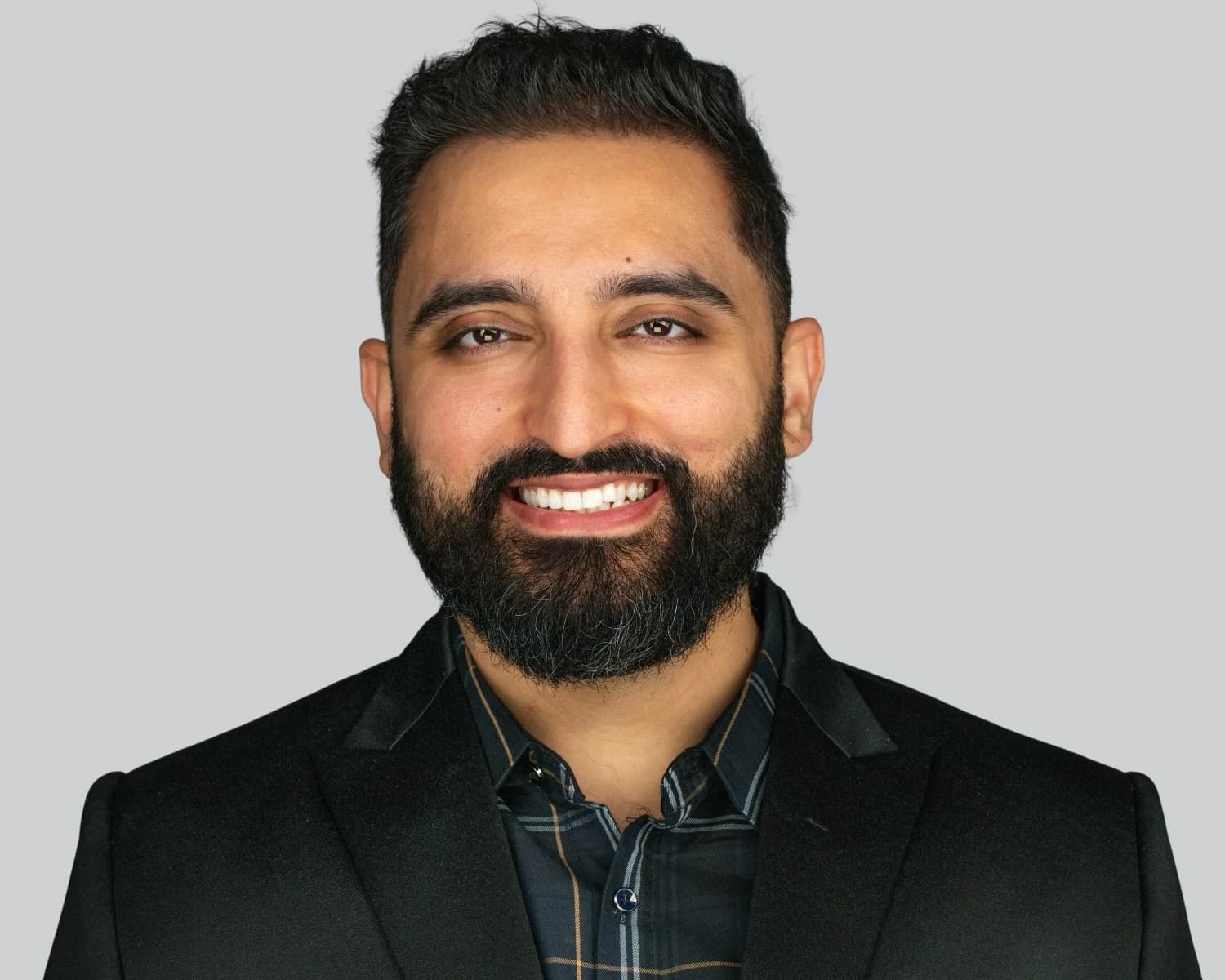
Dr. Shehzad Batliwala, DO, MGM
Vision correction & anterior segment surgeon
- Double board-certified
- Ophthalmology residency, Dean McGee Eye Institute
- Medical school, University of North Texas Health Science Center
- Advanced refractive training, including EVO ICL
Keep researching, on your terms.
Explore cost, recovery, and candidacy at your own pace.
- Dry Eye Care8 min read
Evaporative vs. Aqueous-Deficient Dry Eye
Compare evaporative and aqueous-deficient dry eye, the tests that separate tear quality from tear quantity, and why many patients have a mixed pattern.
Read article - Dry Eye Care6 min read
Why Do Dry Eyes Water?
Learn why dry eyes can produce excessive watering, how meibomian gland dysfunction destabilizes tears, and when allergy, blockage, infection, or another cause should be checked.
Read article - Education5 min read
Why Dry Eye Drops Stop Working
Learn why artificial tears may not solve MGD, blepharitis, contact lens discomfort, or tear-film instability and what a dry eye evaluation checks.
Read article
Need a dry eye clinic in Plano? Start with the cause.
Book a dry eye evaluation and leave with a plan for MGD, blepharitis, IPL, contact lens dry eye, ocular surface disease, or surgery-readiness care.
- 7,000+
- Surgeries by Dr. Shehz
- 2×
- Board-certified
- 1
- Surgeon. Every case.
- 5★
- Patient-rated on Google
- 20/Happy Patient Guarantee
- Dr. Shehzad Batliwala, Board-Certified
- Aftercare included
- Payment options available