Canaloplasty glaucoma treatment in Plano. Restore natural drainage without a permanent implant.
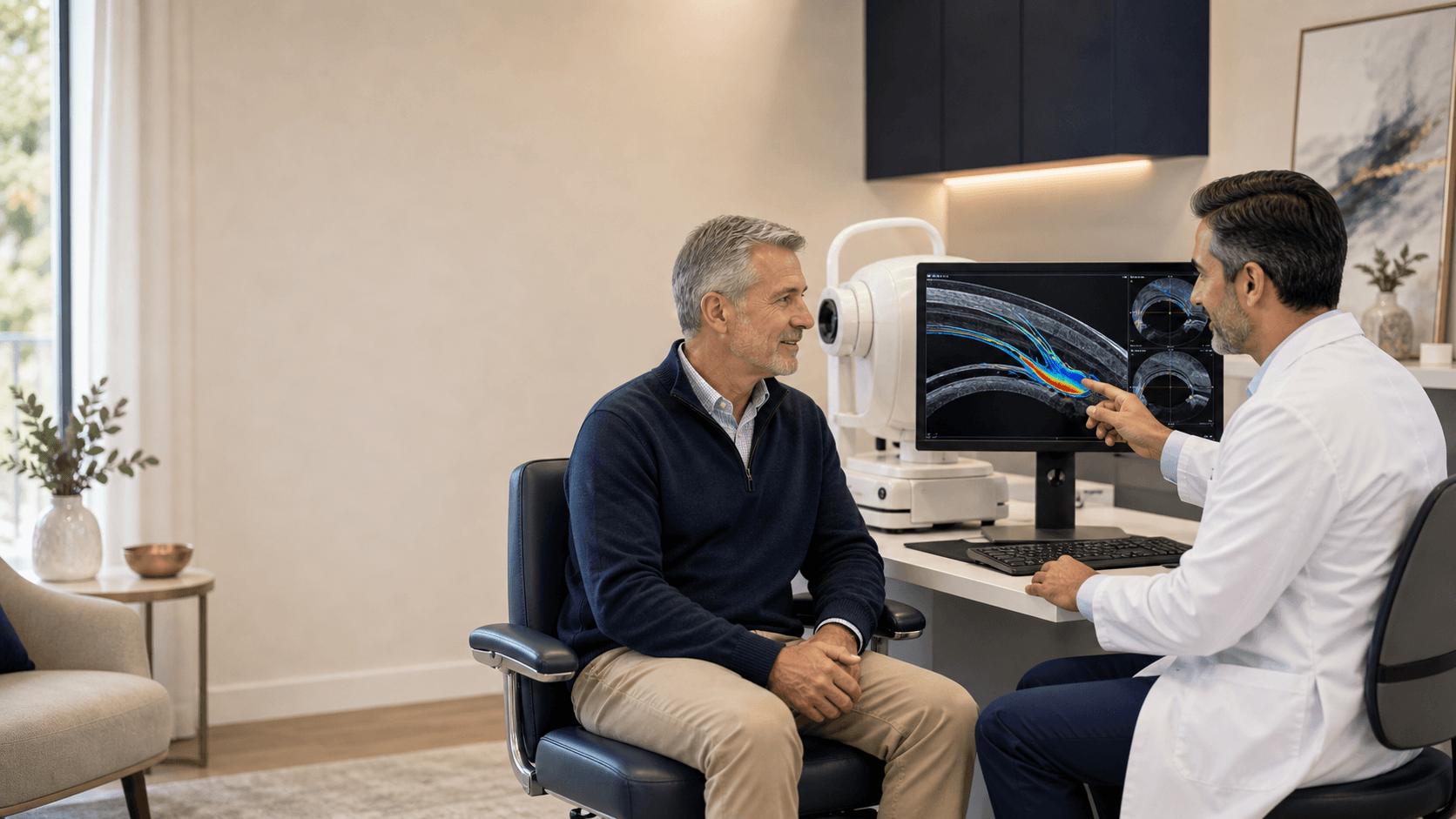
Canaloplasty is a minimally invasive, non-penetrating glaucoma surgery designed to restore the eye's natural drainage system and reduce intraocular pressure.
- 20/Happy Patient Guarantee
- Dr. Shehzad Batliwala, Board-Certified
- Aftercare included
- Payment options available
- No implantNatural anatomy
- MicrocatheterCanal access
- Open-angleGlaucoma focus
- Long-termIOP control
Your surgeon: Dr. Shehzad Batliwala, DO, MGM · Board-Certified Ophthalmologist
Who Canaloplasty is for.
You may be a great fit if any of these sound familiar.
- Adults with open-angle glaucoma
- Patients seeking a long-term alternative to medication or more invasive surgery
- Patients who want to preserve natural eye anatomy
- Patients seeking reduced dependence on glaucoma drops
We may recommend something else if…
- Closed-angle glaucoma or drainage anatomy that cannot be accessed safely
- Eyes requiring a more invasive glaucoma procedure
- Active infection or inflammation
- Patients unable to follow post-operative restrictions and visits
These findings may delay treatment or rule it out. Your clinician will explain the risks and whether another option is appropriate.
Your exam guides the recommendation. Surgery is not the default.
A drainage canal procedure that preserves eye anatomy.
Instead of creating a new drainage pathway, canaloplasty gently opens and enlarges the eye's existing canal.
The goal is to help fluid flow naturally and lower pressure without permanent implants or major incisions.
How Canaloplasty lowers eye pressure.
Canaloplasty restores your eye's own drainage system instead of leaving an implant behind. Here's how it works.
- 01Step 01
Image the eye and plan the approach
DiagnosticsTreatment begins with a complete glaucoma evaluation and detailed eye imaging - pressure, optic nerve, and drainage anatomy - to confirm canaloplasty fits your eye and to map the canal before surgery.
- 02Step 02
Access Schlemm's canal
MicrocatheterThrough a tiny incision, your surgeon threads a flexible microcatheter around Schlemm's canal - the eye's main drainage channel. The approach is non-penetrating, so no full-thickness opening is created.
- 03Step 03
Open and enlarge the canal
Viscodilation, no implantA gel-like fluid is used to gently dilate and widen the canal along its length, reopening the eye's natural outflow pathway. Nothing is left inside the eye, which preserves your anatomy and future surgical options.
- 04Step 04
Natural drainage, lower pressure
Long-term controlWith the canal reopened, fluid drains the way it's meant to and intraocular pressure falls. Many patients reduce or eliminate daily drops, with routine follow-up to confirm pressure stays controlled.
What to expect, start to finish.
- 01Consult visitStep 01
Eye mapping and consultation
Your journey begins with complete glaucoma evaluation and eye imaging to determine candidacy.
- 02Surgical visitStep 02
Canal access
Using microcatheter technology, the surgeon accesses Schlemm's canal through a tiny incision.
- 03Surgical visitStep 03
Viscodilation and closure
The canal is gently opened and enlarged to improve natural fluid drainage and reduce pressure.
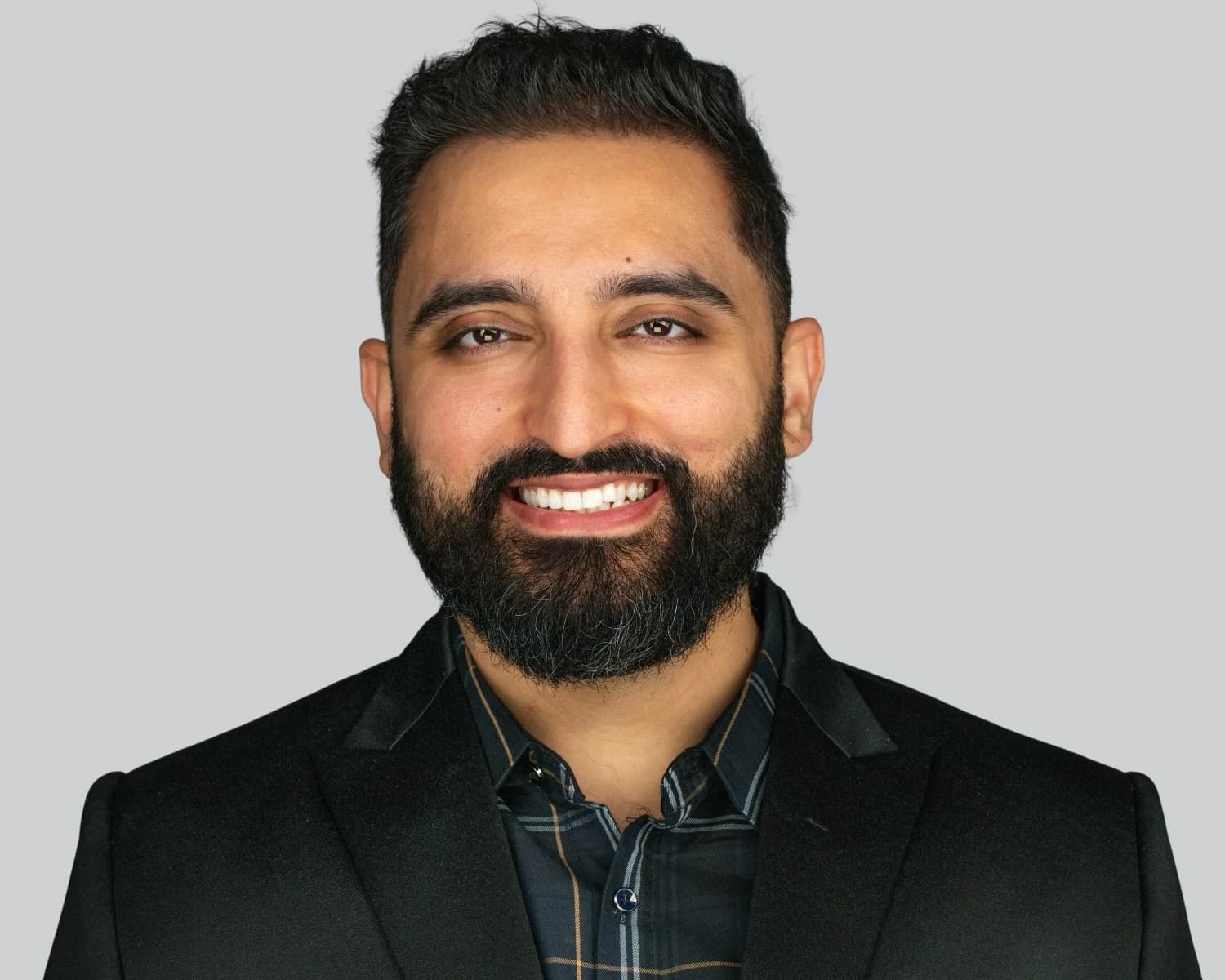
Care led by Dr. Shehzad Batliwala.
Dr. Shehz is a double board-certified vision correction surgeon who completed ophthalmology residency at Dean McGee Eye Institute and pursued advanced refractive training. He performs every surgery at Visionary Eye personally and leads the diagnostic plan used to decide whether a procedure is appropriate.
5.0 Google rating from 92 reviews- Double board-certified vision correction surgeon
- Ophthalmology residency at Dean McGee Eye Institute
- Advanced refractive and lens-surgery training
- Every surgery personally performed by Dr. Shehz
Clear costs. Real options.
Cost, coverage, and payment options depend on the procedure and your plan. We review the estimate before treatment. Our Affordability page explains financing and payment options.
Why we don't discount Canaloplasty
Canaloplasty is typically covered by insurance and Medicare when medically necessary. We verify your benefits before you commit and quote any out-of-pocket portion in writing - nothing gets added on surgery day.
What patients say


What is Canaloplasty?
Canaloplasty is a minimally invasive surgical procedure for open-angle glaucoma. It opens and enlarges Schlemm's canal so fluid drains more easily and eye pressure is reduced.Who is a good candidate for Canaloplasty?
Patients with open-angle glaucoma who have not achieved desired pressure control with medications or laser treatments may be good candidates.How is Canaloplasty performed?
The surgeon makes a tiny incision to access Schlemm's canal and inserts a microcatheter to gently open and widen it.Is Canaloplasty painful?
No. The procedure is performed under local anesthesia. Mild discomfort, irritation, or light sensitivity may occur for a few days afterward.How long does Canaloplasty recovery take?
Most patients notice improvement within days to weeks. You may need to avoid strenuous activities, rubbing your eyes, or swimming for a few weeks.Are there risks involved with Canaloplasty?
As with any surgery, risks can include infection, bleeding, or temporary vision changes. Serious complications are rare, and your surgeon will review risks with you.
Still have questions?
Talk to our team, no pressure, no sales pitch. We answer the question, not the upsell.
Not the right fit? Here's what else we offer.
Picking the right procedure is a diagnosis question, not a marketing one. If your eyes are better served by a different path, we'll tell you.



Visiting us from DFW?
Care takes place at our Plano office. See the drive and visit details from your city, then confirm your consultation, driver, and follow-up plan with our team before choosing a surgery date.
- Frisco~15 min from Plano
- McKinney~20 min from Plano
- Allen~10 min from Plano
- Dallas~25 min from Plano
- Fort Worth~50 min from Plano
- Richardson~15 min from Plano
Keep researching, on your terms.
Explore cost, recovery, and candidacy at your own pace.
- Glaucoma6 min read
MIGS Recovery Timeline
A practical MIGS recovery guide for Plano patients, including pressure checks, postoperative drops, combined cataract surgery, activity guidance, and warning signs.
Read article - Patient Guide6 min read
MIGS vs Glaucoma Drops in Plano: When to Consider Each
Compare glaucoma drops, SLT, sustained-release medication, and MIGS based on pressure goals, side effects, adherence, cataract timing, anatomy, and disease stage.
Read article - Patient Guide6 min read
When Does Glaucoma Need Surgery?
Learn how optic nerve change, visual field loss, target pressure, medication tolerance, and disease stage determine whether glaucoma surgery is necessary.
Read article
More patient guides (1)
See what better vision looks like. At any stage of life.
Glasses on the nightstand. Contacts fighting you at the gym. The menu blurring at dinner. You don't have to live with it. Come find out what's possible for your eyes.
- 7,000+
- Surgeries by Dr. Shehz
- 2×
- Board-certified
- 1
- Surgeon. Every case.
- 5★
- Patient-rated on Google
- 20/Happy Patient Guarantee
- Dr. Shehzad Batliwala, Board-Certified
- Aftercare included
- Payment options available