When cataract and glaucoma occur together, lens selection should account for the optic nerve as well as the cloudy lens. An implant that offers a wider range of focus may not provide the best balance for every eye with glaucoma.
For Dallas-Fort Worth patients, the useful question is not simply which implant reduces glasses the most. It is which option fits the remaining visual function, pressure-control plan, and daily tasks. Our cataract procedure page and glaucoma specialist page explain the two sides of care.
Why does glaucoma affect lens selection?
Glaucoma can reduce the visual field and contrast sensitivity. A cataract adds a separate source of blur and glare. Removing the cataract can improve the lens-related component of vision, but it does not restore optic-nerve tissue already damaged by glaucoma.
Some multifocal implants also involve a contrast tradeoff and can create halos or glare. Those effects matter when visual reserve is already reduced. Glaucoma does not automatically rule out every premium option, but the disease stage and stability need careful consideration.
Which tests help guide the conversation?
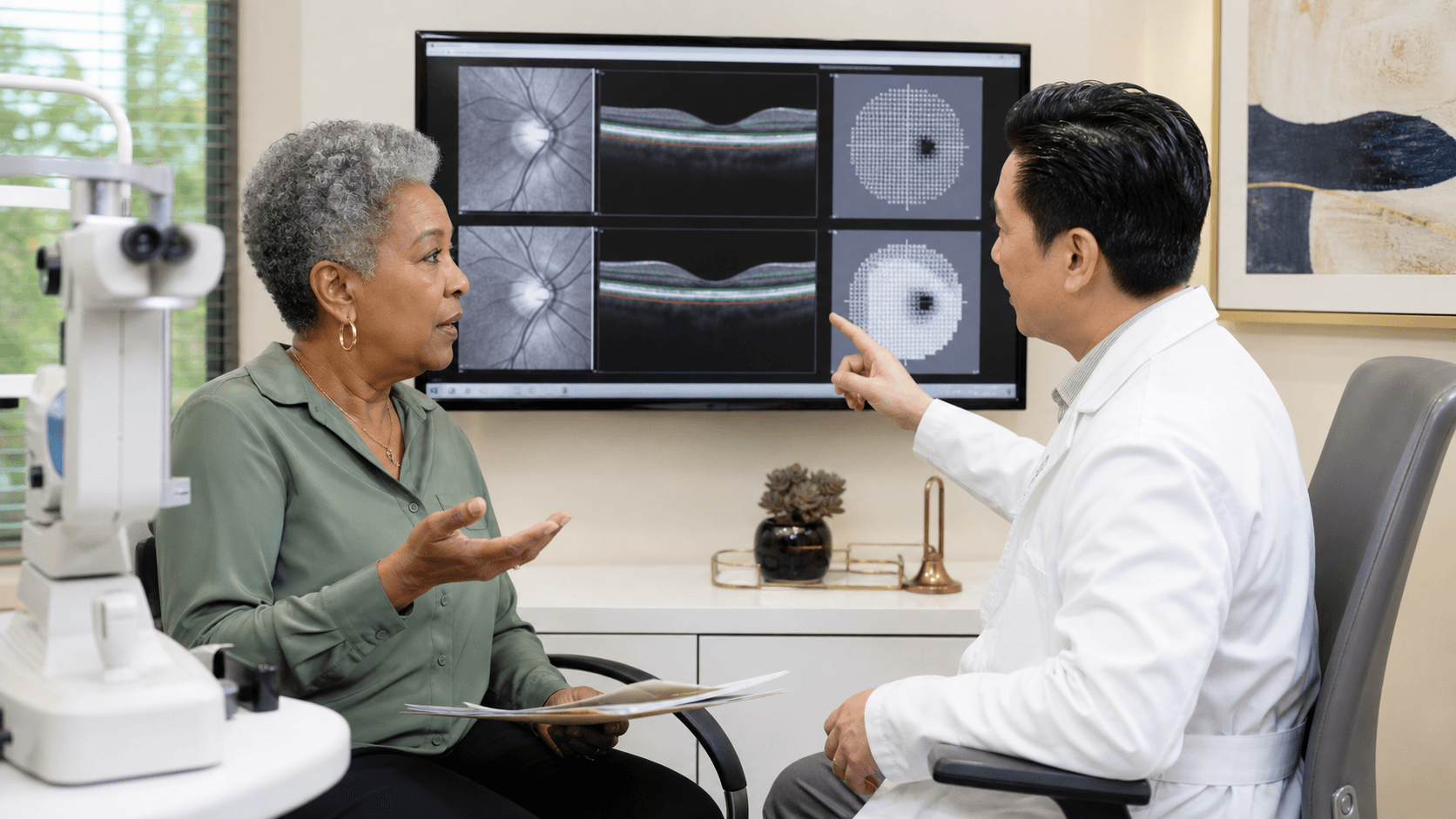
Ask the team to explain what your visual-field tests, optic-nerve imaging, pressure history, and examination show. A single pressure reading does not describe the full history of the disease. Older records can help show whether findings have been stable or progressing.
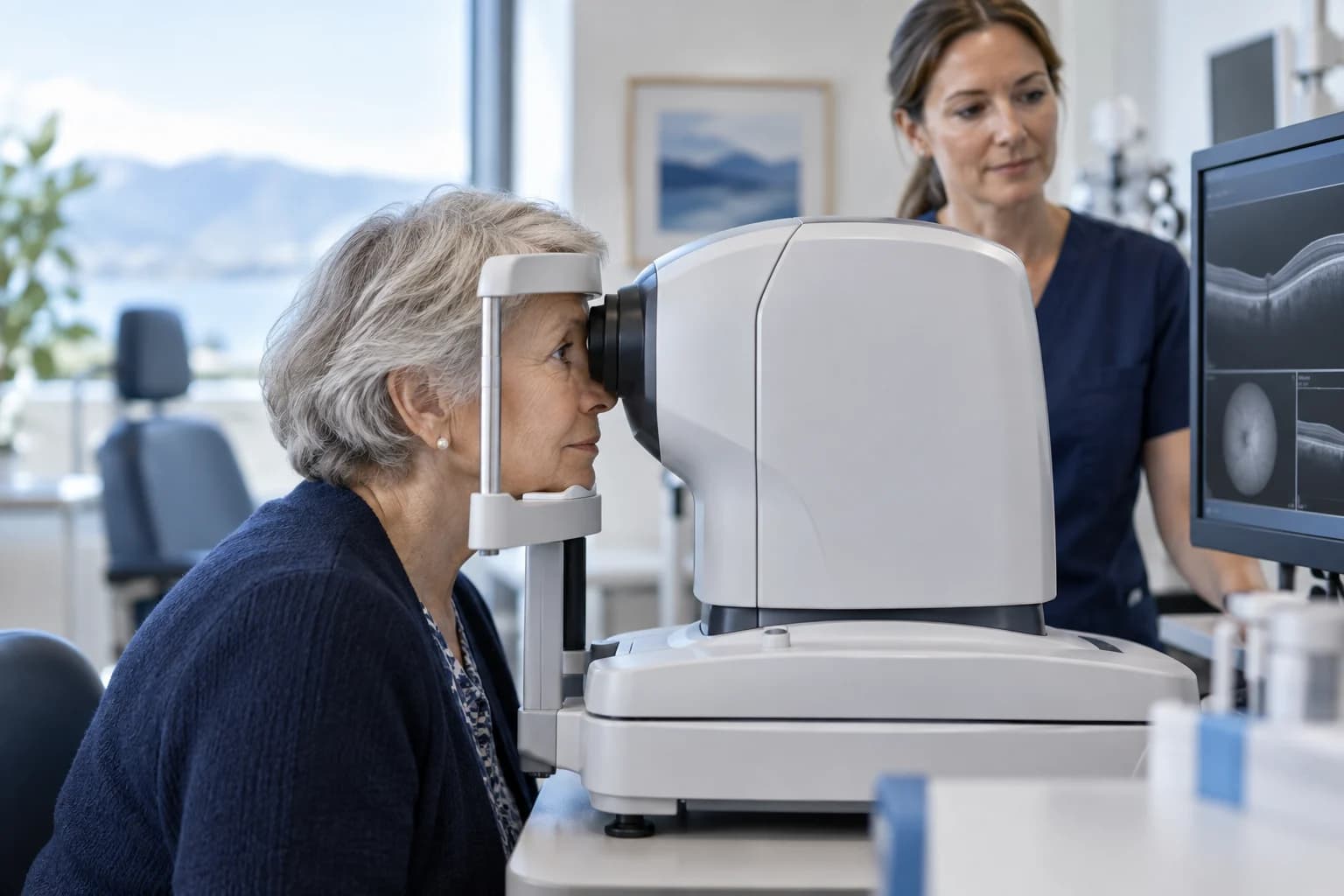
The cataract evaluation also considers the cornea, retina, lens measurements, and the vision achieved with an appropriate glasses prescription. If the cataract makes testing less reliable, ask how that uncertainty affects expectations and whether tests will be repeated after surgery.
Bring copies of previous glaucoma testing if it was performed at another practice. Include the names of your drops, previous laser or surgery, and any difficulty using the medication. Do not stop glaucoma drops before the appointment unless your clinician directs you.
Are monofocal and toric lenses different from multifocals?
A monofocal implant targets one focal distance. A toric implant addresses suitable corneal astigmatism; "toric" does not itself mean multiple focal ranges. These options may still involve glasses for reading or other tasks.
Multifocal and extended-range designs need discussion in the context of your optic nerve and visual priorities. Ask about the exact proposed model rather than treating "premium" as a single medical category. A more expensive implant is not automatically the better choice for a particular eye.
For a broader explanation of the categories, use our existing cataract lens guide. This article addresses the additional decisions introduced by glaucoma.
Keep the lens choice and pressure plan connected
Ask whether cataract surgery alone, cataract surgery with a glaucoma procedure, or staged treatment is being recommended. Those decisions depend on glaucoma type, severity, anatomy, current control, and the target pressure. The expected effect on drops should be explained without promising that medication will end.
Our combined cataract and MIGS guide covers that procedural question in more detail. Lens selection still needs its own discussion even if the procedures happen together.
Prepare for a coordinated DFW visit
If your glaucoma clinician is in McKinney, Frisco, or Dallas, ask which records the Plano team needs before recommending a lens. Confirm who will check pressure immediately after surgery and who will continue the long-term glaucoma follow-up.
For patients in Prosper, a written shared plan can make it easier to organize transport and medication questions. The plan should identify a contact for urgent concerns and clarify which appointments must be with the surgical team. Regional coverage does not create a separate Visionary operating location in each city.
Questions to take to the lens consultation
| Ask | Why the answer matters |
|---|---|
| How much of my reduced vision is cataract-related? | Sets a realistic expectation of what surgery can improve |
| Is my glaucoma stable, and how was that judged? | Connects lens planning with disease monitoring |
| What does this implant mean for contrast and glare? | Brings everyday visual quality into the decision |
| Which glasses will I likely still need? | Defines the expected tradeoff |
| Who adjusts my glaucoma drops after surgery? | Prevents conflicting instructions |
| What symptoms require urgent review? | Makes the aftercare plan usable |
If the recommendation remains unclear, consider a glaucoma second opinion with your records. The aim is a lens and treatment plan you understand, with achievable goals for both clarity and long-term eye health.
Sources
- Glaucoma Research Foundation: premium IOLs for patients with glaucoma
- EyeWiki: combined cataract and glaucoma surgery assessment
- National Eye Institute: glaucoma surgery
Individual lens and glaucoma treatment recommendations require examination and review of your clinical history.
Your exam can clarify which options fit your eyes. Visit our Plano team from anywhere in DFW.
Book a free visit