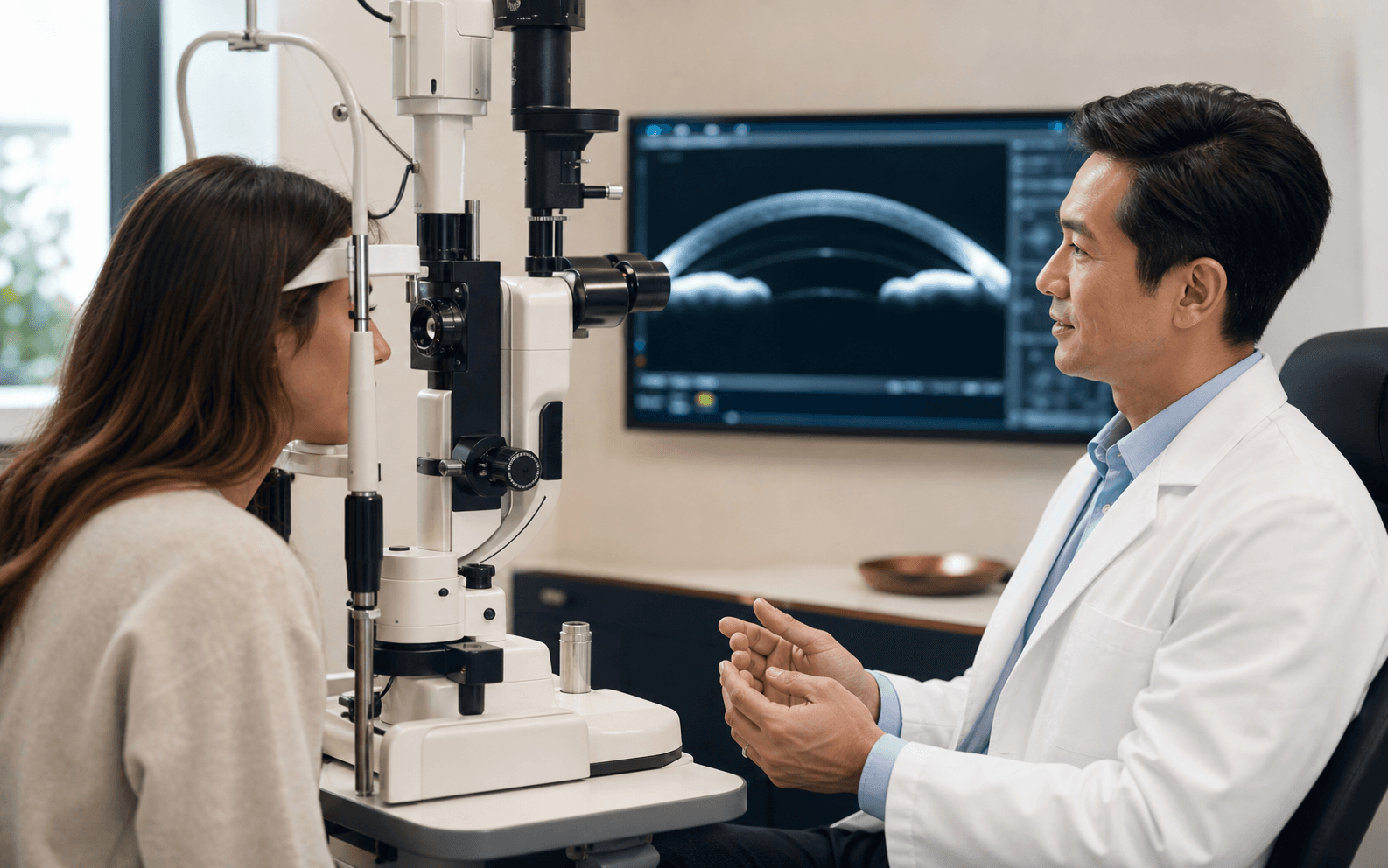
LASIK permanently removes and reshapes corneal tissue. That does not mean a patient's prescription or vision can never change again. Refractive regression, presbyopia, cataracts, and other eye conditions can all affect vision after an initially successful result.
That distinction is the useful answer to how long LASIK lasts: the surgery is permanent, but the eye continues to age.
Does LASIK Wear Off Over Time?
The tissue removed during All-Laser LASIK does not grow back. The laser creates a lasting change in corneal shape, so LASIK should be considered a permanent surgical procedure.
Many appropriately selected patients maintain useful distance vision for years. Outcomes still vary by the starting prescription, treatment profile, healing response, age, and changes elsewhere in the eye.
When vision changes later, the evaluation should determine whether the cause is refractive regression, the tear film, the natural lens, the retina, or another part of the eye rather than assuming that every change means LASIK “wore off.”
Why Do Some People Need Glasses Again After LASIK?
Because the eye continues to change. LASIK treats the corneal prescription measured at the time of surgery; it does not freeze the rest of the visual system.
One common change is presbyopia. As the natural lens stiffens with age, near focus becomes harder. Someone who had clear distance vision after LASIK in their 30s may still need reading glasses in their 40s even when the corneal treatment remains stable.
Later, a cataract can cloud the natural lens and affect distance, contrast, glare, and night driving. LASIK neither causes nor prevents that normal lens-aging process.
Refractive regression can also occur. Its likelihood depends on factors such as the original prescription, age, corneal response, and the type of correction. A new examination is the only responsible way to distinguish regression from lens aging or another eye condition.
Will I Need an Enhancement?
Many patients never need an enhancement, while some retain a residual prescription or experience a later change that deserves evaluation.
I work to reduce that risk by confirming prescription stability and turning down eyes that are not good candidates. The written 20/Happy Patient Guarantee explains how eligible results are handled. Whether an enhancement is safe still depends on repeat measurements, corneal thickness, stability, and eye health.
Ask any surgeon you're considering in North Texas how they handle enhancements before you sit in their laser suite. The answer tells you a lot.
Does LASIK Prevent Cataracts Later in Life?
No. Cataracts form in the natural lens, while LASIK changes the cornea. Treating one structure does not prevent age-related change in the other.
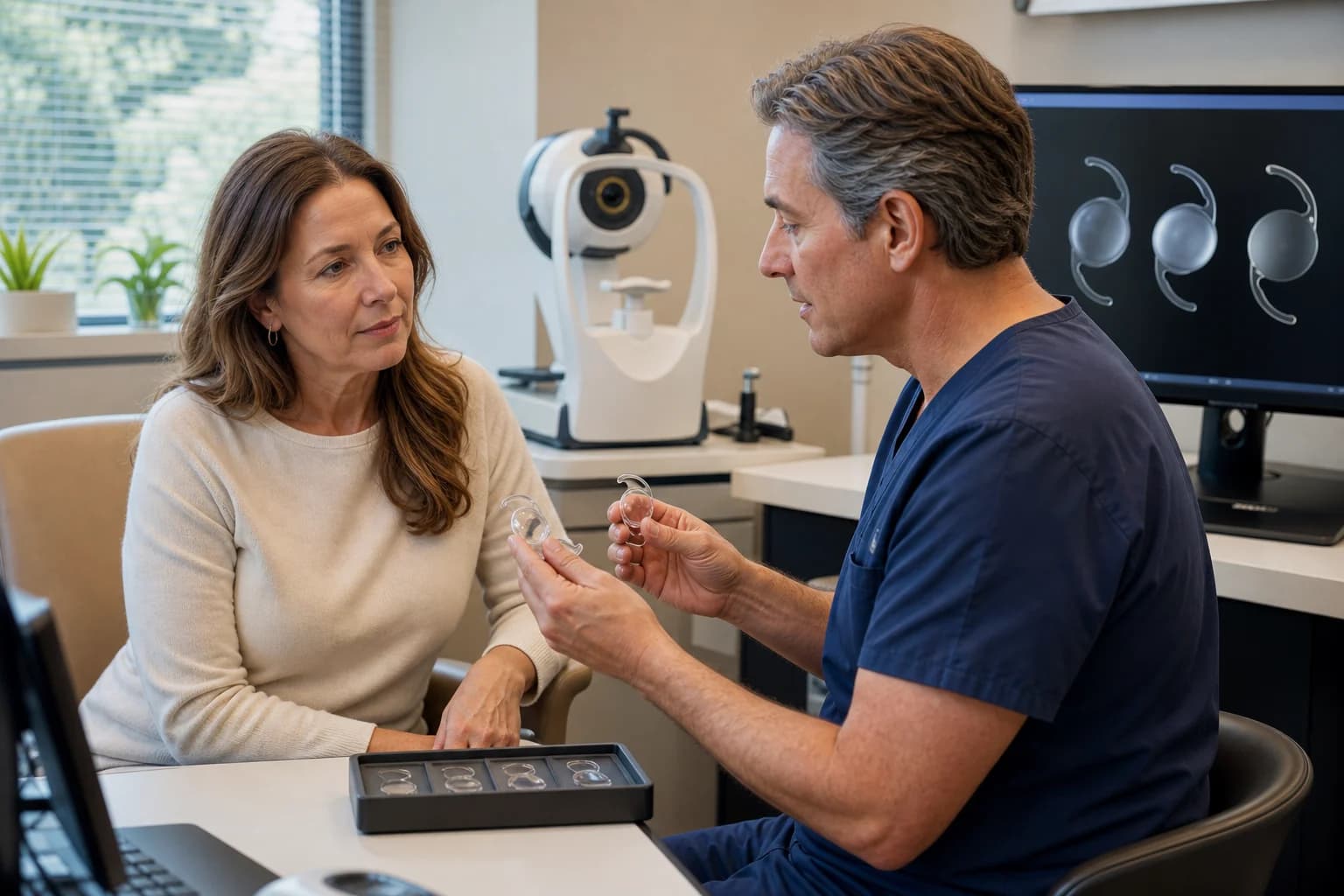
Having LASIK does not automatically prevent cataract surgery later. Prior LASIK changes the corneal measurements used for lens calculations, so old records can be useful when available. Premium cataract surgery then requires a new discussion of lens choices, expected range of vision, and optical tradeoffs.
Some patients evaluate Refractive Lens Exchange before a cataract becomes medically significant. That procedure replaces the natural lens and may reduce dependence on reading or distance glasses, but it has its own candidacy requirements and tradeoffs.
How Do I Make My LASIK Results Last?
Mostly by making the right decisions before surgery rather than after. Come in with a stable prescription. Let me treat any dry eye first so the surface heals beautifully. Pick the procedure your scans support instead of the one the billboard advertised.
Afterward, live normally. Wear sunglasses in our brutal Texas sun, and keep your routine eye exams, because LASIK doesn't exempt you from glaucoma checks or retina health. The surgery corrects your vision. It doesn't retire your eye doctor.
So What Should I Actually Expect Long Term?
The reasonable goal is durable improvement in uncorrected distance vision, with the understanding that no surgery stops presbyopia, cataracts, refractive change, dry eye, retinal disease, or glaucoma.
Plan for routine eye care and evaluate new symptoms rather than assuming the original procedure failed. If you want to know what long-term planning looks like for your eyes, book a free consultation at Visionary Eye Surgery in Plano and we can review your measurements.
Keep Reading
LASIK Recovery Timeline: What to Expect Day by Day
LASIK Safety and Risks: What to Know
Your exam can clarify which options fit your eyes. Visit our Plano team from anywhere in DFW.
Book a free visit