Pterygium surgery in Plano. Removal with a plan for recurrence.
Pterygium is a growth on the eye's surface that can cause irritation or affect vision. When surgery is appropriate, a conjunctival autograft may lower recurrence compared with leaving bare sclera; results vary by eye.
- 20/Happy Patient Guarantee
- Dr. Shehzad Batliwala, Board-Certified
- Aftercare included
- Payment options available

- 30 minOutpatient procedure
- AutograftRecurrence-conscious approach
- 1-2 weeksVisual recovery
- BothCosmetic + functional
Your surgeon: Dr. Shehzad Batliwala, DO, MGM · Board-Certified Ophthalmologist
Who Pterygium Surgery is for.
You may be a great fit if any of these sound familiar.
- Visible cosmetic concern
- Causing astigmatism / blur
- Chronic irritation or redness
- Growing onto the visual axis
- Medical management didn't help
We may recommend something else if…
- Small, asymptomatic pterygium
- Active conjunctivitis / infection
- Pregnant or breastfeeding
These findings may delay treatment or rule it out. Your clinician will explain the risks and whether another option is appropriate.
Your exam guides the recommendation. Surgery is not the default.
A precise outpatient procedure that protects future vision.
Pterygium, sometimes called surfer's eye, is a fleshy growth that develops on the conjunctiva and can extend onto the cornea. Without treatment, it can blur vision, cause chronic irritation, and induce astigmatism.
After removing the pterygium, a conjunctival autograft covers the area with tissue from the same eye. This approach can reduce recurrence compared with older bare-sclera techniques, but regrowth and cosmetic results remain individual.
- Conjunctival autograft when appropriate
- May address irritation or vision changes
- Astigmatism is reassessed after healing
- UV protection plan included after surgery

How Pterygium Surgery works.
- 01Step 01
Numb and prepare the eye
OutpatientPterygium surgery is a comfortable outpatient procedure. The eye is numbed with local anesthetic and mild sedation keeps you relaxed. Your surgeon examines the extent of the growth across the conjunctiva and cornea to plan a clean, complete removal.
- 02Step 02
Remove the pterygium
Cornea clearedThe growth is removed from the surface of the eye. Irritation or pterygium-related astigmatism may improve, but residual symptoms or prescription changes can remain after healing.
- 03Step 03
Place a conjunctival autograft
Recurrence planningA small piece of healthy conjunctival tissue covers the excision area. Compared with leaving bare sclera, an autograft can lower the chance of recurrence, though it does not eliminate that risk.
- 04Step 04
Secure the graft and heal
1-2 weeksThe graft is secured with tissue adhesive or sutures. Recovery and return to work vary with healing and job demands; follow-up also covers UV protection and signs of recurrence.
What to expect, start to finish.
- Step 0160 min

Evaluation
Complete exam to determine the size, location, and visual impact of the pterygium. We document baseline measurements and discuss surgical timing.
- Step 0230 min

Pre-op planning
Diagnostic imaging maps the lesion and any astigmatism it's induced. We plan the autograft based on local tissue health.
- Step 0330 min

Surgery day
Outpatient under local anesthesia, typically 30 minutes. We remove the pterygium and cover the area with a healthy piece of conjunctival tissue from your own eye.
- Step 041-2 weeks

Recovery
Light activities for 1-2 weeks. Vision improves daily as the surface heals. Follow-ups at 1 week, 1 month, and 3 months.
What Pterygium Surgery changes day to day.
Autograft technique
Covering the area with your own tissue may reduce recurrence compared with bare-sclera removal.
Reasons to consider surgery
Persistent irritation, growth, or vision changes may warrant removal after an exam.
Vision reassessment
If the growth altered the cornea, prescription and astigmatism are reassessed after healing.
Follow-up plan
Your surgeon will guide activity, surface healing, and UV-protection advice during follow-up.
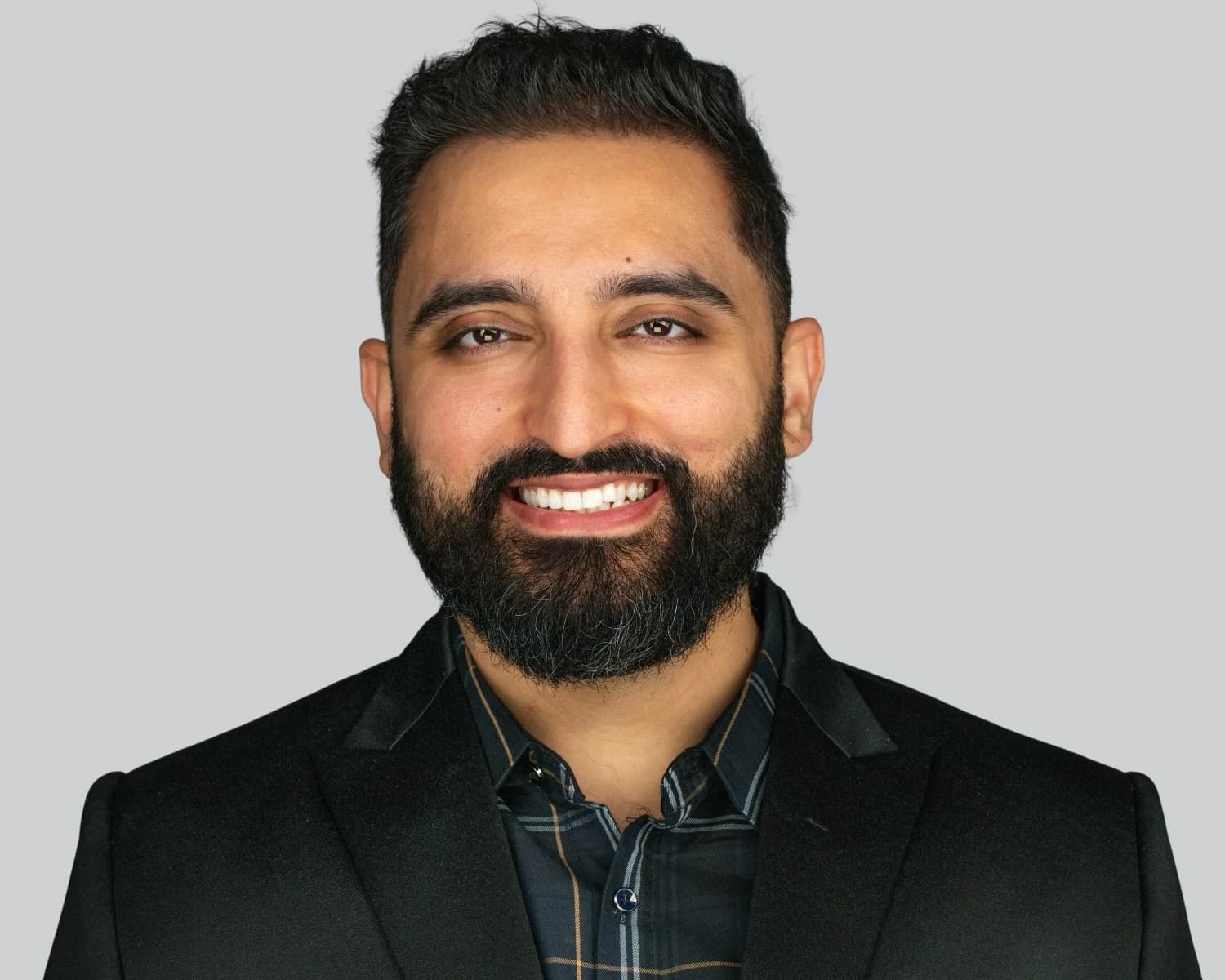
Care led by Dr. Shehzad Batliwala.
Dr. Shehz is a double board-certified vision correction surgeon who completed ophthalmology residency at Dean McGee Eye Institute and pursued advanced refractive training. He performs every surgery at Visionary Eye personally and leads the diagnostic plan used to decide whether a procedure is appropriate.
5.0 Google rating from 92 reviews- Double board-certified vision correction surgeon
- Ophthalmology residency at Dean McGee Eye Institute
- Advanced refractive and lens-surgery training
- Every surgery personally performed by Dr. Shehz
Clear costs. Real options.
Cost, coverage, and payment options depend on the procedure and your plan. We review the estimate before treatment. Our Affordability page explains financing and payment options.
Why we don't discount Pterygium Surgery
Pterygium surgery is usually insurance-covered when it's affecting vision or comfort. We verify your benefits, quote any out-of-pocket portion in writing, and don't pad the bill with optional add-ons.
What patients say


Will my pterygium come back?
It can recur. Conjunctival autografting may lower that risk compared with bare-sclera removal, but it cannot remove it. Your surgeon will discuss follow-up and UV protection.Is the surgery painful?
Most patients describe mild discomfort and tearing for the first 2-3 days, well managed with prescribed drops. Pain decreases significantly after the first week.Can I have LASIK after pterygium surgery?
Often, yes, once the surface has fully stabilized (typically 6+ months) and we've documented healthy corneas.Is pterygium surgery covered by insurance?
Coverage depends on medical necessity and your plan. We check benefits and explain any out-of-pocket costs before surgery.How long until I can return to work?
Most office workers return within 2-3 days. Outdoor or dust-exposed work may require a longer break, we'll personalize the timeline.
Still have questions?
Talk to our team, no pressure, no sales pitch. We answer the question, not the upsell.
Not the right fit? Here's what else we offer.
Picking the right procedure is a diagnosis question, not a marketing one. If your eyes are better served by a different path, we'll tell you.

Visiting us from DFW?
Care takes place at our Plano office. See the drive and visit details from your city, then confirm your consultation, driver, and follow-up plan with our team before choosing a surgery date.
- Frisco~15 min from Plano
- McKinney~20 min from Plano
- Allen~10 min from Plano
- Dallas~25 min from Plano
- Fort Worth~50 min from Plano
- Richardson~15 min from Plano
Keep researching, on your terms.
Explore cost, recovery, and candidacy at your own pace.
- Patient Guide5 min read
Do I Need Pterygium Surgery?
Learn when pterygium redness, growth onto the cornea, irritation, astigmatism, or recurrence may warrant a surgical evaluation in Plano.
Read article - Cataract Surgery4 min read
Pterygium Before Cataract Surgery: Which First?
A pterygium can alter corneal measurements used for a cataract lens. Learn when treating the surface first may improve planning and when it may not.
Read article - Patient Guide6 min read
Pterygium Recurrence After Surgery
Learn why pterygium can return after surgery and how graft technique, UV protection, inflammation control, and follow-up affect recurrence risk.
Read article
See what better vision looks like. At any stage of life.
Glasses on the nightstand. Contacts fighting you at the gym. The menu blurring at dinner. You don't have to live with it. Come find out what's possible for your eyes.
- 7,000+
- Surgeries by Dr. Shehz
- 2×
- Board-certified
- 1
- Surgeon. Every case.
- 5★
- Patient-rated on Google
- 20/Happy Patient Guarantee
- Dr. Shehzad Batliwala, Board-Certified
- Aftercare included
- Payment options available